Watch a sport you know nothing about
An evening at the ice hockey, a handful of rules and a new way to enjoy watching a game.
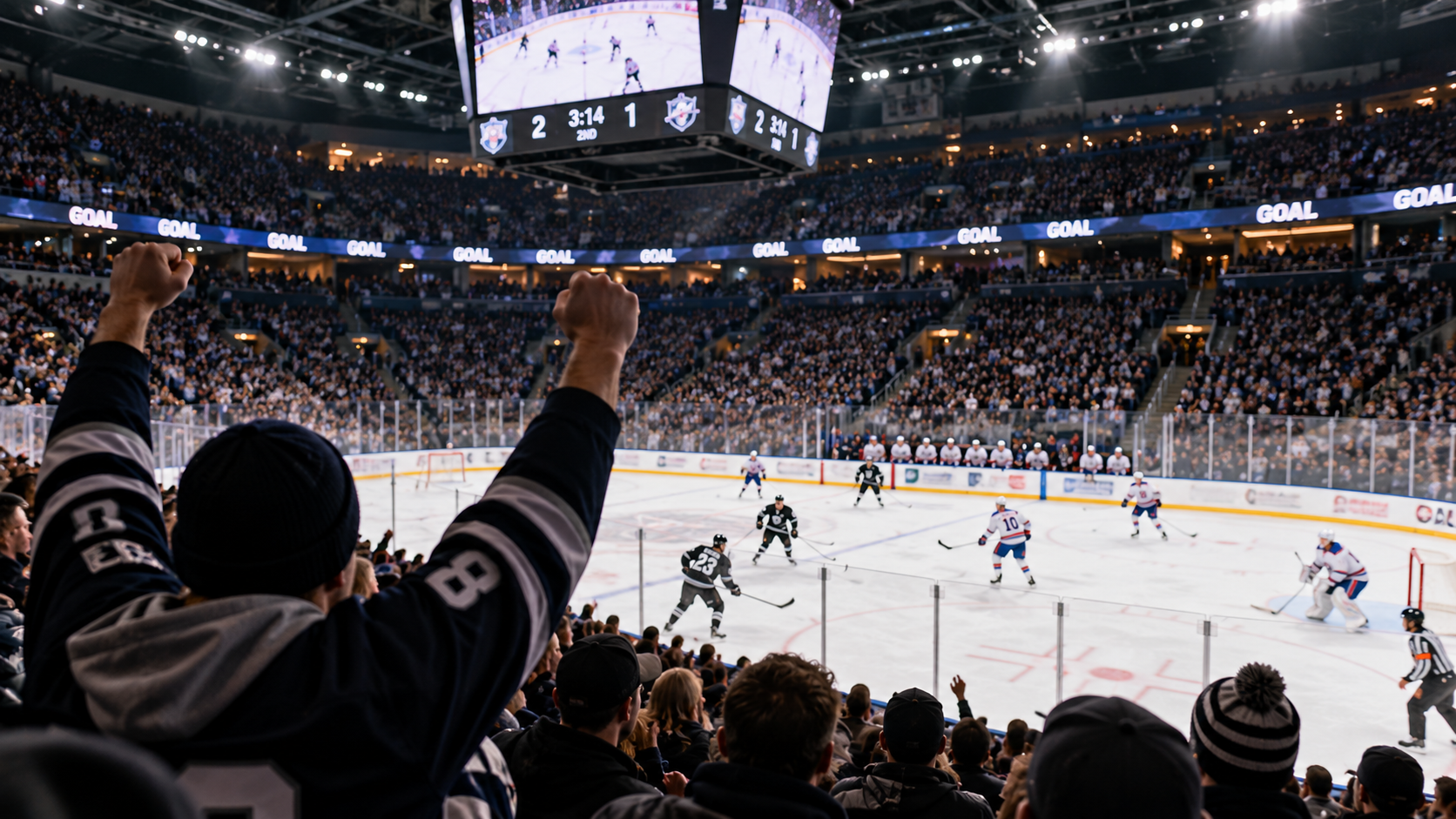
Pick a team for the evening
For your first ice hockey match, your main problem may be finding the puck. It is small, it moves quickly, and everyone else seems to know where it is. Then a shot hits the boards and the noise answers the question for you.
That's a perfectly acceptable beginning. You don't have to understand a sport before you're allowed to enjoy watching it. The crowd, the speed and the sheer difficulty of what the players are doing can carry you while the rules catch up.
Try a live game within an easy journey of home. In Essex, Chelmsford Chieftains play at Riverside Ice and Leisure. Their official site carries fixtures and ticket links. Choose a home game that suits you and check its face-off time, ticket arrangements and venue access before travelling. Chelmsford Chieftains.
If you live elsewhere, use your local club's own fixture page. This experiment doesn't require a big arena, a weekend away or a new shirt.
Learn just enough
The basic objective is reassuringly familiar: put the puck in the other team's net more often than they put it in yours. A normal side on the ice has five skaters and a goalkeeper, although penalties and tactical decisions can change that.
Regulation play is divided into three twenty-minute periods. The clock stops for stoppages, so allow much longer than an hour for the evening. Players change frequently, including while play continues. The sudden arrival of apparently fresh teams is supposed to happen.
Two words will come up. Offside concerns attackers entering the attacking zone ahead of the puck. Icing concerns sending the puck down the rink beyond the opposing goal line from too far back, with exceptions. That's enough to recognise why a whistle might have gone. You can leave the precise application to the officials for now. IIHF rules.
Watch someone without the puck
Once you can roughly follow play, pick one player for a short passage. Watch where they move when a teammate has possession. Do they offer a passing option, head for the goal or stay back?
This is often where an unfamiliar game opens up. Following only the ball or puck shows you the immediate action. Following someone away from it starts to show you the intention.
When possession changes, look at how quickly that intention changes too. A player who seemed peripheral can suddenly become the person responsible for preventing a goal.
Ask a neighbour one small question during a break if they seem happy to talk. “Why did they stop it then?” is much easier to answer than “Can you explain ice hockey?” You aren't taking an entrance exam, and nobody needs to deliver the entire rulebook between periods.
Give it one whole match
Wear a warm layer. Check the venue's bag rules, and consider hearing protection if loud environments bother you. Arrive early enough to find your place without missing the start.
Choose a side, even if your sophisticated selection method is that they're the home team. Having a preference gives the confusing bits a direction.
You may leave wanting another ticket. You may decide the sport isn't for you. Either is fine. Stay long enough to have one moment when you see a pass coming before it happens, and discover that you've started watching the game rather than merely watching people move.