Marcus Aurelius never meant you to read this
Marcus Aurelius ruled an empire under war, disease and political pressure. His private notes reveal something more interesting than a perfect philosopher: a man repeatedly trying to correct himself.
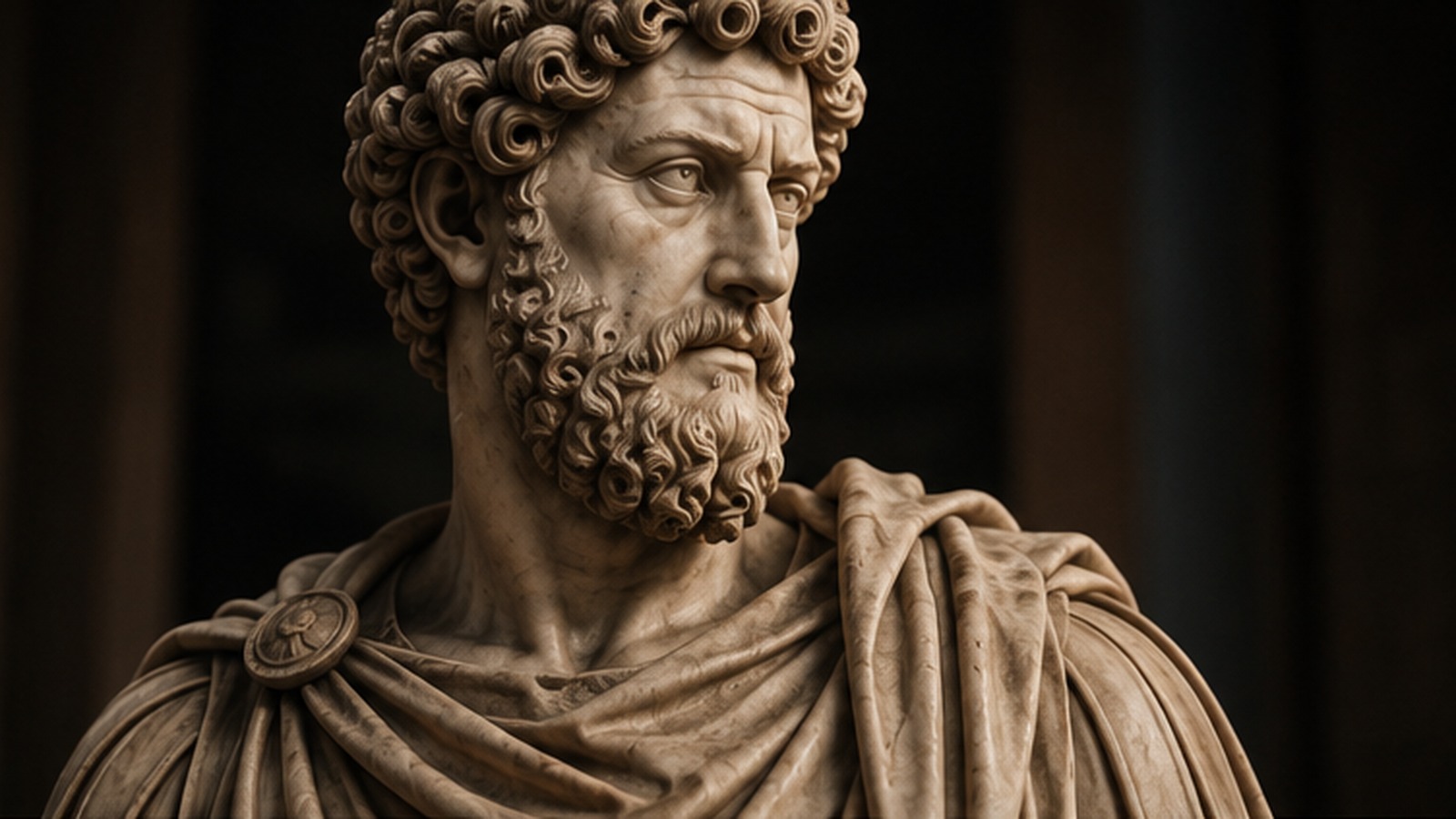
Imagine being Marcus Aurelius in about AD 170.
You are emperor of Rome. Your empire stretches from Britain across Europe, around the Mediterranean and deep into the Middle East and North Africa. Tens of millions of people live under Roman rule.
And things are not going particularly well.
There has been war with Parthia in the east. Germanic tribes are attacking across the northern frontier. A devastating epidemic is moving through the empire. Marcus will spend years away from Rome on military campaigns, particularly along the Danube. There are rebellions to deal with, people he loves die, and eventually one of his own generals, Avidius Cassius, will declare himself emperor.
So Marcus writes himself little notes.
His reminders
- Don't get angry.
- Don't be distracted by what other people think.
- Do the job in front of you.
- Remember that you are going to die.
- Stop complaining.
- Get out of bed.
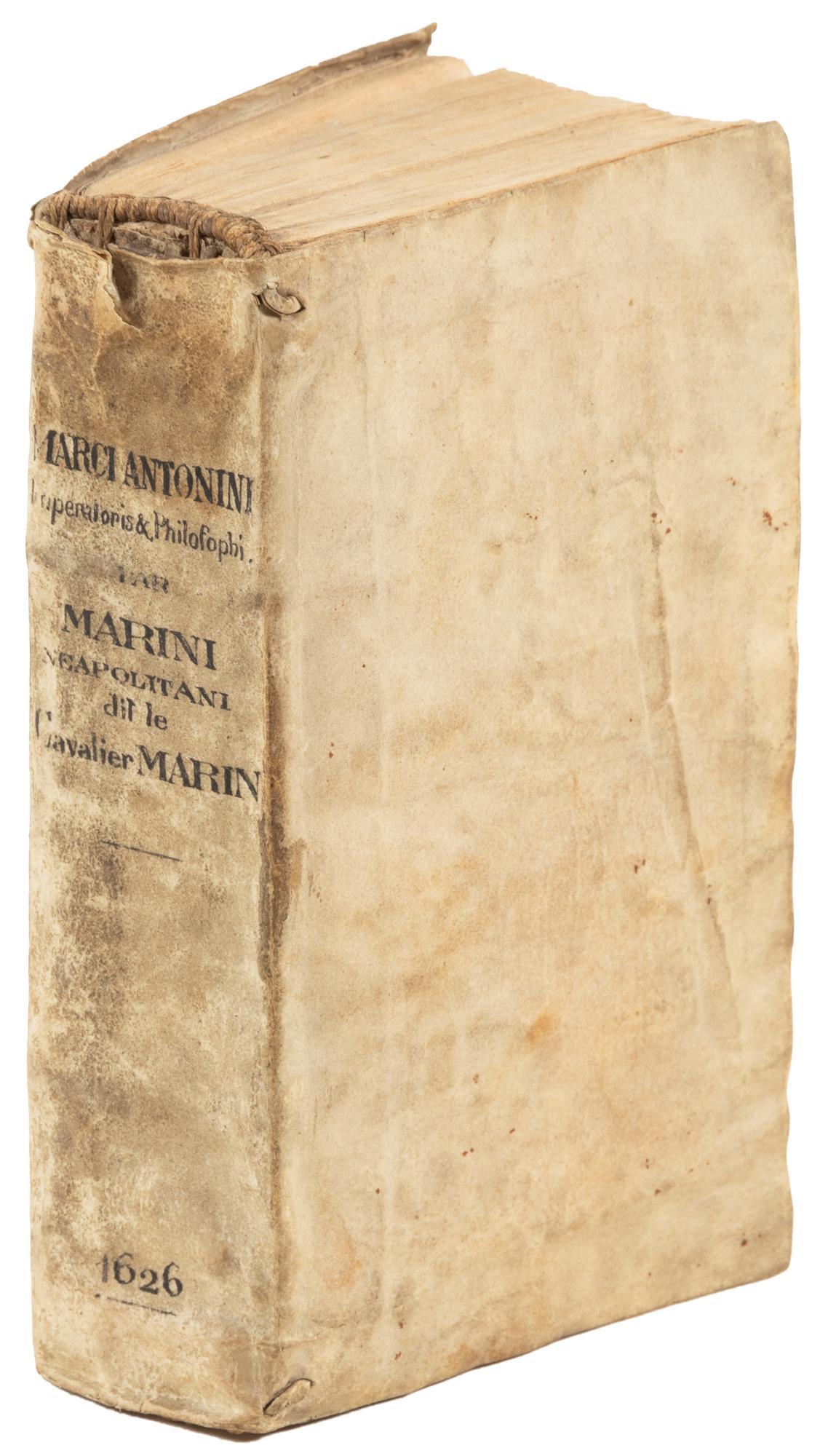
A Roman emperor arguing with himself
Marcus was born in AD 121 and became emperor in 161. He had been educated for the job from a young age and developed a serious interest in philosophy, particularly Stoicism.
One of his teachers, Junius Rusticus, introduced him to the writings of Epictetus, a former slave who became one of the great Stoic teachers.
Meditations isn't a grand philosophical work written by an emperor for his subjects. As far as historians can tell, Marcus was writing largely for himself.
You're not reading the finished wisdom of a man who had life completely sorted out. You're reading someone repeatedly correcting himself.
Marcus was not presenting himself as a sage. He was doing the work.
So what is Stoicism?
Stoicism has suffered slightly from its own success. Call someone stoic today and we usually mean he takes pain without making much fuss.
Ancient Stoicism was a whole school of philosophy concerned with a much bigger question: how do you live a good life in a world where an enormous amount of what happens is not under your control?
The Stoics were not arguing that nothing matters. They were arguing that it is useful to become much clearer about what belongs to you and what does not.
Marcus was emperor. He did not respond to an invasion by saying he could not control it and returning to his philosophy books. He raised armies and went north.
The emperor had bad days too
One of the pleasures of reading Meditations is discovering how ordinary some of Marcus’s problems sound.
He has an entire passage in which he effectively has to argue himself out from underneath the blankets. He reminds himself that he has work to do as a human being and was not born merely to stay warm.
Two thousand years later, the emperor of Rome is having the same internal negotiation you had with the snooze button this morning.
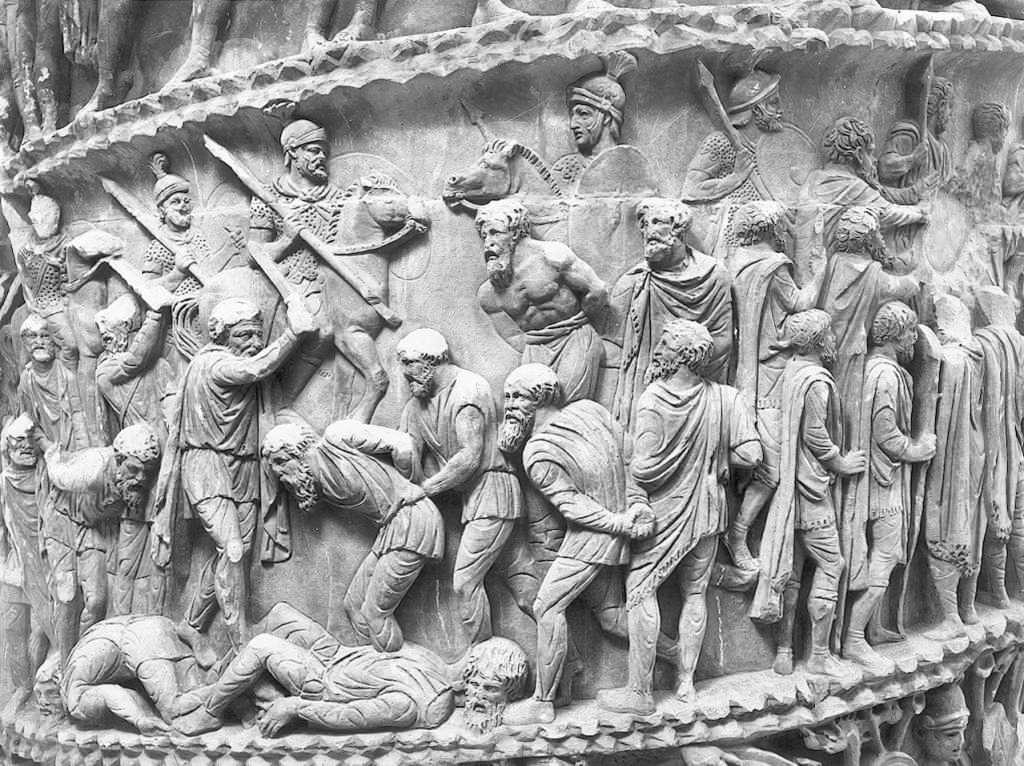
Elsewhere he worries about difficult people, reputation, concentration and how quickly people are forgotten after they die.
Death is everywhere in Meditations. Marcus had plenty of reason to think about it. His reign coincided with the Antonine Plague, while much of his later life was spent around soldiers and warfare.
The bit that's genuinely useful
This is where Stoicism can easily go wrong. Strip away the history, put Marcus on an inspirational social-media post and a serious philosophy becomes another branch of the self-improvement industry.
That is a shame because some of it is genuinely useful precisely because it is not promising to make you richer, stronger or more successful.
Take exams. Before the exam there is plenty you can control: revision, asking for help, sleeping properly and doing the work.
Then somebody says stop writing. The paper leaves your hands. Literally and philosophically.
And then results day arrives
Eventually you get the result. Maybe it is brilliant. Maybe it is disappointing.
Now the situation changes again because there are things you can do. Celebrate. Ask what your options are. Request a review. Change the plan. Apply somewhere else. Try again.
What is actually mine to do here?
Marcus wasn't perfect
It is worth resisting the temptation to turn Marcus Aurelius into Saint Marcus of the Internet.
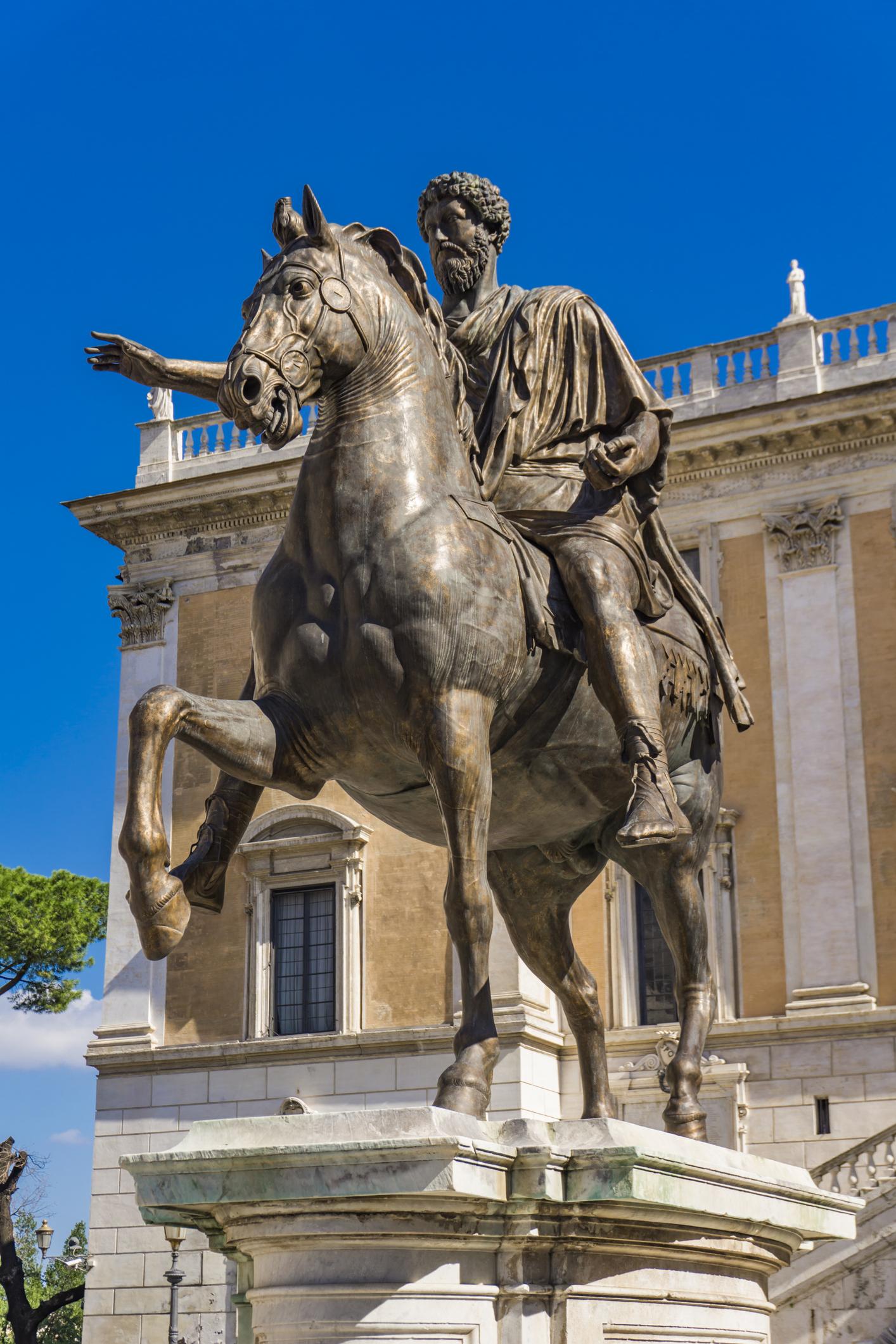
He was a Roman emperor. He ruled an autocratic empire built through conquest. His reign involved brutal wars, and his decision to make his son Commodus his successor did not exactly work out well for Rome.
Stoicism did not make Marcus infallible. That is partly why he remains interesting.
The paper has left your hands
There is a tendency to make ancient philosophy sound grander than it needs to be.
Sometimes you are lying awake worrying about something that has not happened. Sometimes somebody thinks badly of you and there is nothing you can do about it.
Sometimes you have done the interview. Sent the application. Sat the exam. Made the decision.
And sometimes the paper has simply left your hands.