Have people round without making a production of it
A clear invitation, familiar food and a manageable evening make having people round easier to repeat.
Invite people to the evening you can manage
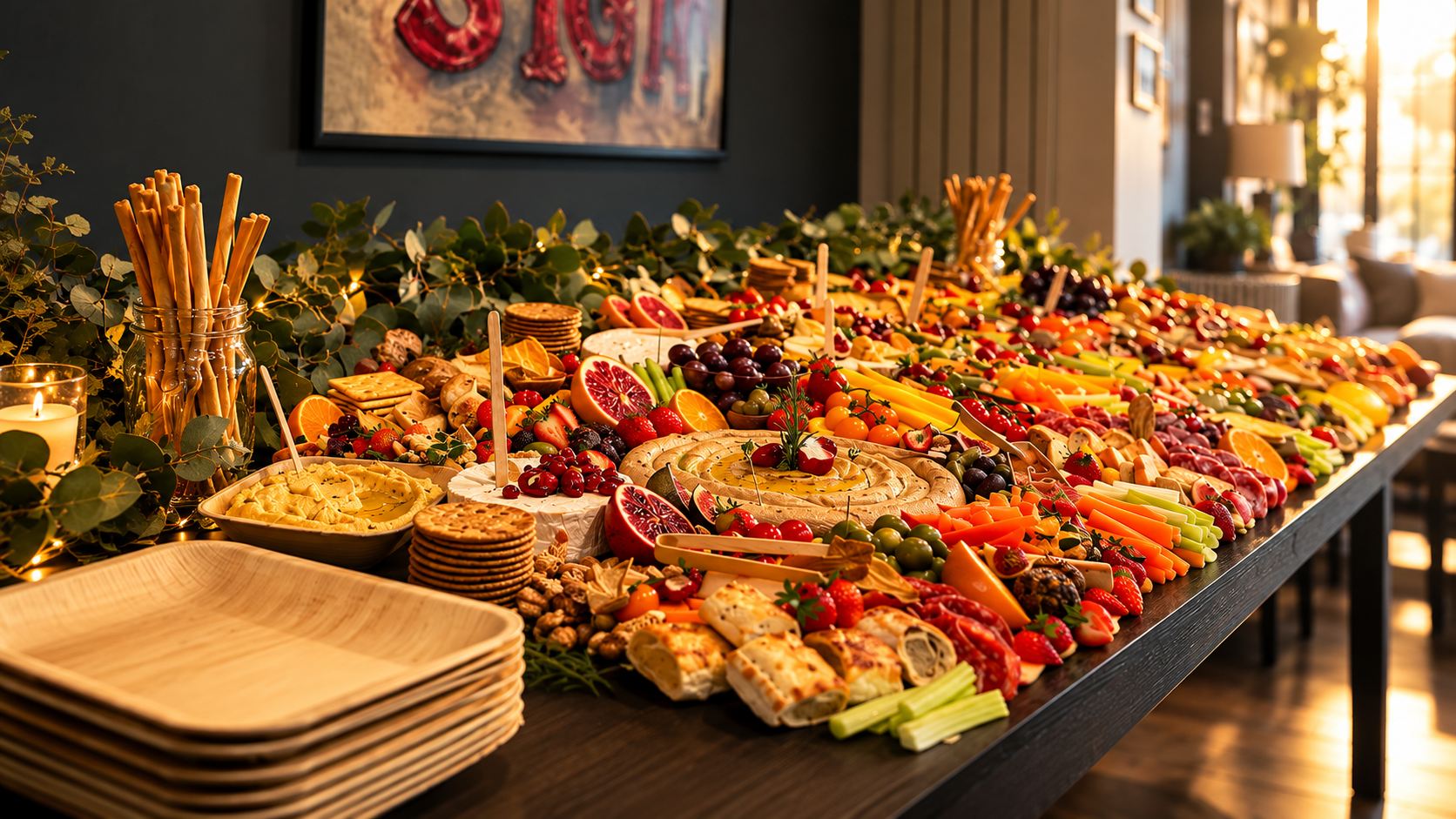
The easiest way to postpone having people round is to imagine the finished photograph. The table needs flowers. The food needs a theme. The room needs to look like nobody has ever charged a laptop in it.
Meanwhile, the people you would like to see are probably deciding what to have on toast.
Try an invitation with less architecture: “Would you two like to come over on Friday? I’ll make a pot of chilli. About seven, and we’ll probably call it a night around ten.” It names the people, the food and the scale of the evening. Nobody has to work out whether they have been invited to dinner or merely to watch you cook it.
Two guests can be plenty. If your home is small, invite the number you can comfortably seat, including yourself. If money is tight, tea and a bought cake are a perfectly respectable occasion.
Cook the thing you already know
Choose something you have made successfully before. A familiar pasta dish, a tray of roasted vegetables with bread and something substantial alongside, or a stew that is ready before the doorbell rings will leave more of you available for the company.
Ask about allergies and dietary needs before shopping. Let guests explain what works for them, including any concerns about preparation or cross-contact. Do not guess from what they ate last time. If you cannot safely accommodate a requirement, agree another arrangement openly.
A useful menu has a main event and very little administration. Put bread or a bowl of something simple on the table. Serve water without being asked. Have an alcohol-free option you would be happy to drink yourself. Nobody needs to explain why they are declining wine.
If somebody offers to bring something, give them a small, specific job: a pudding, a drink they enjoy or simply themselves. Avoid the vague instruction to bring “anything”, which can leave both households cooking a second dinner.
Make enough room
Clear somewhere for coats. Find the chairs before your guests arrive. Ask about access if your home has steps or other practical obstacles that might matter. These little arrangements contribute more to comfort than matching crockery.
Then stop preparing. A room can be lived in and welcoming at the same time. Shifting a pile of post is useful; apologising for your home all evening makes everyone responsible for reassuring you.
You do not need to keep conversation moving like a presenter. If there is a pause while everyone eats, let there be a pause. If someone helps carry plates through, you can accept. They have come into your home, not enrolled as a restaurant critic.
Let it finish normally
There is something generous about an evening that ends when people are ready. Offer tea, mention the last train if relevant, and let a guest leave without making them prove they have enjoyed themselves.
The washing-up can be modest too. Put away anything that needs it, soak the pan and leave the decorative reset for tomorrow. The success of the evening does not depend on returning the kitchen to showroom condition before bed.
What you are trying to create is an occasion that can happen again. If the only possible sequel requires a free weekend, a new recipe and a minor financial recovery, you may have set the difficulty too high.
A good first result is much smaller: people came over, everyone ate, and you would like to do it again.