The deadlift field manual
A straightforward introduction to one of strength training’s most useful movements.
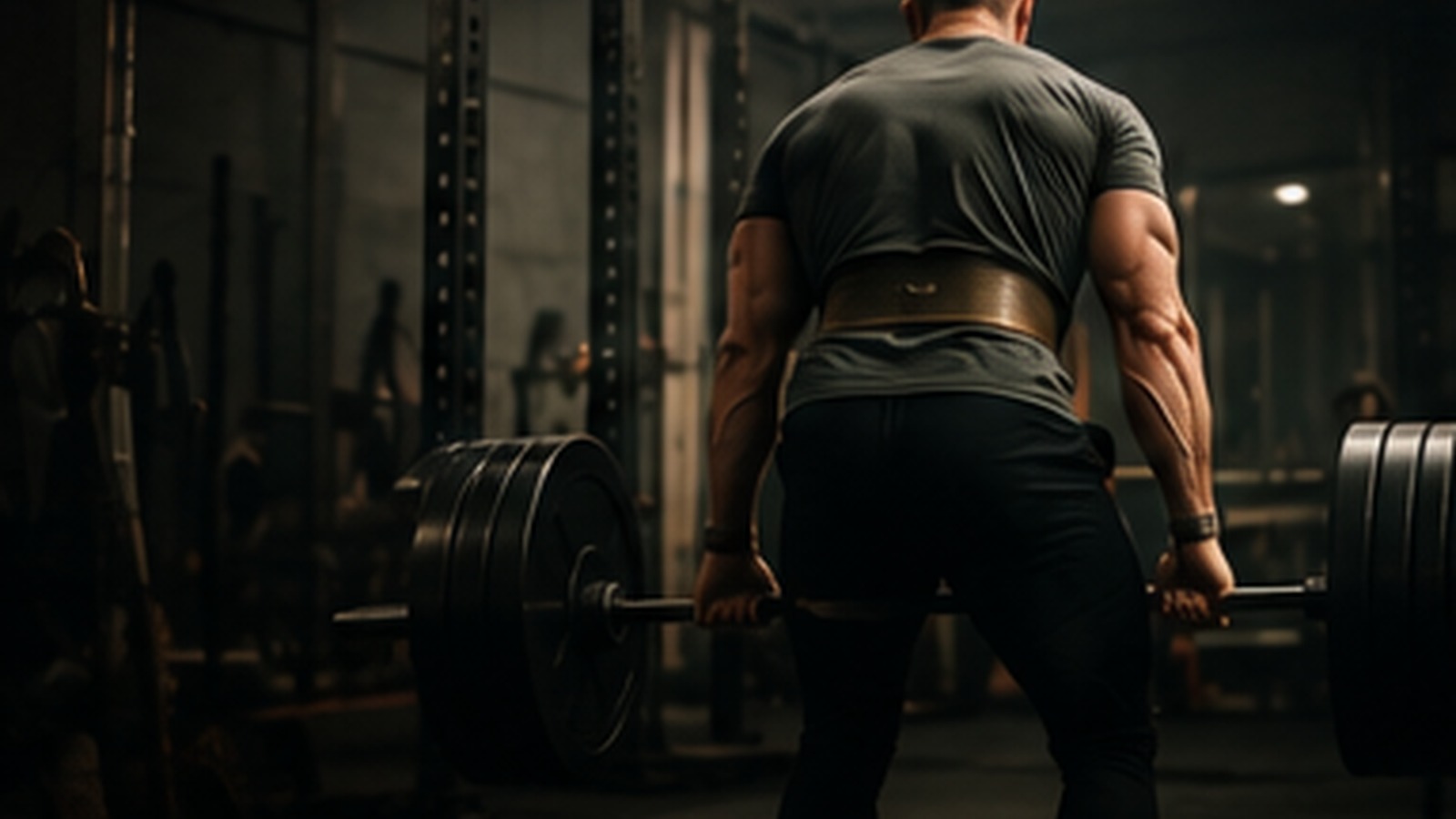
The deadlift has acquired an unnecessary amount of theatre.
Belts. Chalk. Shouting. Nosebleeds. Men on YouTube explaining seventeen different ways to position your little finger.
Ignore most of that.
The basic movement is wonderfully simple: there is something heavy on the floor and you stand up with it.
Done properly, the deadlift trains a remarkable amount of you at once. Your glutes and legs produce the movement. Your back and trunk work to keep you stable. Your hands have to hold on.
It is also a useful movement to learn because life occasionally puts heavy things on the floor.
Here's how to start.
First, learn to hinge
The deadlift isn't really a squat with a bar in your hands. The important movement is the hip hinge.
Stand up and push your hips backwards as though you're trying to close a car door with your backside. Your knees can bend, but your hips do most of the travelling.
Your torso comes forward as your hips go back, while your back stays stable.
If that feels completely alien, practise it without a bar first. There is no prize for adding weight to a movement you can't yet control.
Set up
Walk up to the bar so it is close to your shins.
Put your feet roughly hip-width apart and get a solid grip on the floor. Hinge down, bend your knees enough to reach the bar and take hold of it with your hands outside your legs.
Keep the bar close to you. Brace your trunk. Take the slack out of your arms and settle yourself before you pull.
You should feel as though your whole body is ready to move the bar, rather than your arms suddenly trying to yank it from the floor.
Stand up
Stand up
Now do the surprisingly uncomplicated bit.
Push your feet into the floor and stand.
Your hips and shoulders should rise together, with the bar travelling close to your legs. Once you're upright, you're finished. Stand tall. You don't need to dramatically lean backwards at the top.
To put the bar down, reverse the movement. Send your hips back, keep the bar close and bend your knees as it approaches the floor.
Then stop.
Reset.
Do the next rep properly.
Start lighter than your ego suggests
This is probably the most useful instruction in the entire field manual.
Your first deadlift session is not an archaeological expedition to discover the maximum amount of weight your body can possibly lift.
Use a weight you can control.
That gives you time to learn what a good repetition feels like. It also makes mistakes considerably less exciting.
Add weight gradually as the movement becomes familiar. If your technique starts falling apart, the set has told you something useful.
You don't need to win an argument with the bar.
Four things worth remembering
Bar close. Letting it drift away from you makes the lift harder and increases the demands on your lower back.
Push the floor away. Thinking about standing up is generally more useful than trying to haul the bar upwards with your arms.
Don't rush the first inch. Get yourself set before every pull.
Leave your ego out of it. A clean, repeatable rep is more useful than an ugly personal best nobody asked for.
The deadlift doesn't need to be intimidating.
Something heavy is on the floor.
Set yourself properly.
Pick it up.
Put it back down.
Get good at that before worrying about anything more complicated.